
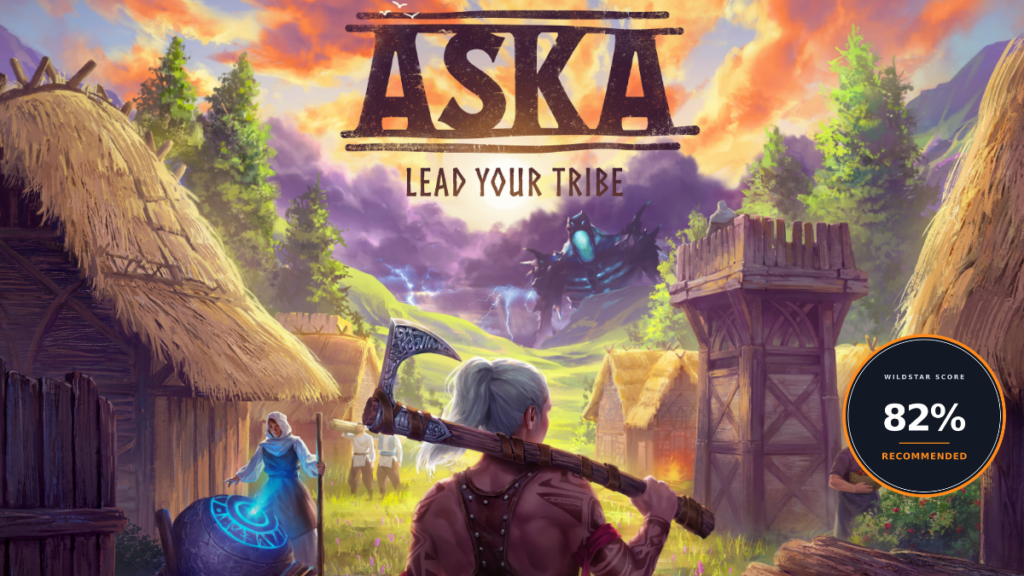
- Reviewed By: Andy
- Reviewed On: PC
- Accessed Via: Steam – Early Access: Great Hall & Feasts Update
- Mode Played: Solo
- Developer: Sand Sailor Studio
- Platforms: PC
- Release: Available Now – Early Access
The Quick Take
At first glance, ASKA looks like another survival game.
You wake up with very little, start gathering sticks and stones, make some basic tools and slowly begin building somewhere that resembles a home.
So far, so familiar.
But ASKA doesn’t really come into its own until other people start turning up.
Before long, you’re not just trying to keep yourself alive. You’re building a Viking settlement, assigning jobs, managing food, organising production and trying to make sure the whole thing doesn’t grind to a halt because someone has broken an axe.
That is where ASKA starts to feel different.
It takes the standard survival formula and gradually turns it into something much closer to a colony-management game, only you’re still down there in the world doing the work alongside everyone else.
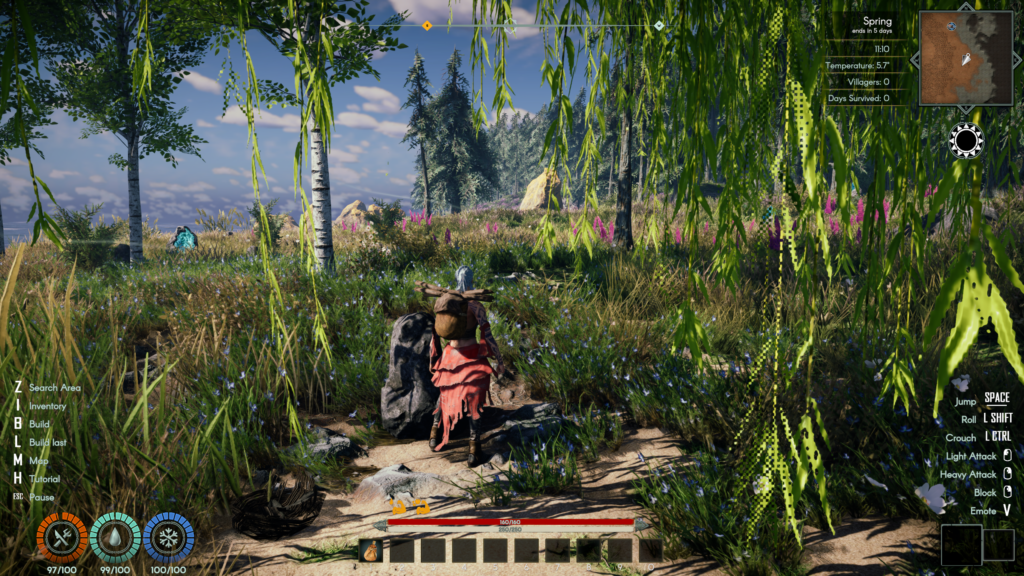
This review was carried out following the Great Hall & Feasts Update, which expanded several of the systems that make this side of ASKA work. New production chains, greater control over villagers, changes to building and the new Great Hall give established settlements more to work towards rather than simply giving you another collection of things to craft.
When all of those systems start working together, ASKA can be incredibly satisfying.
It’s still an Early Access game, and you can absolutely feel that in places. Some systems could still use refinement, management can become fiddly as the village grows and combat isn’t as strong as the settlement-building side of the game.
But there’s a genuinely good game here, and more importantly, one that has managed to give itself an identity in a genre that is becoming very crowded.
From Survivor to Chieftain
The opening few hours are probably the most traditional part of ASKA.
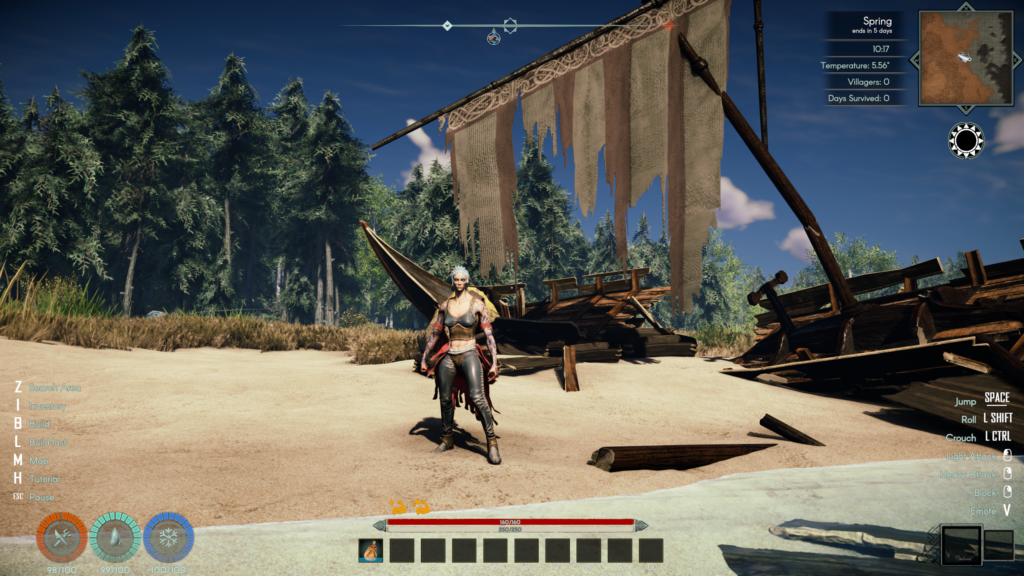
You gather resources, build basic tools, find food and water and start putting together your first shelter.
None of that is particularly revolutionary, but it does a good job of teaching you how the world works before the game starts adding more layers.
The real change comes when you begin bringing villagers into your settlement.
Suddenly, all of those jobs you have been doing yourself can eventually be handed over to someone else.
Wood gathering, food production, crafting and other basic tasks can all be assigned to villagers, and the game slowly moves away from you doing absolutely everything yourself.
That changes the way you play.
You’re still exploring, gathering, fighting and building, but now you’re also thinking about who is doing what, whether they have the tools they need and whether your village can actually support the number of people living there.
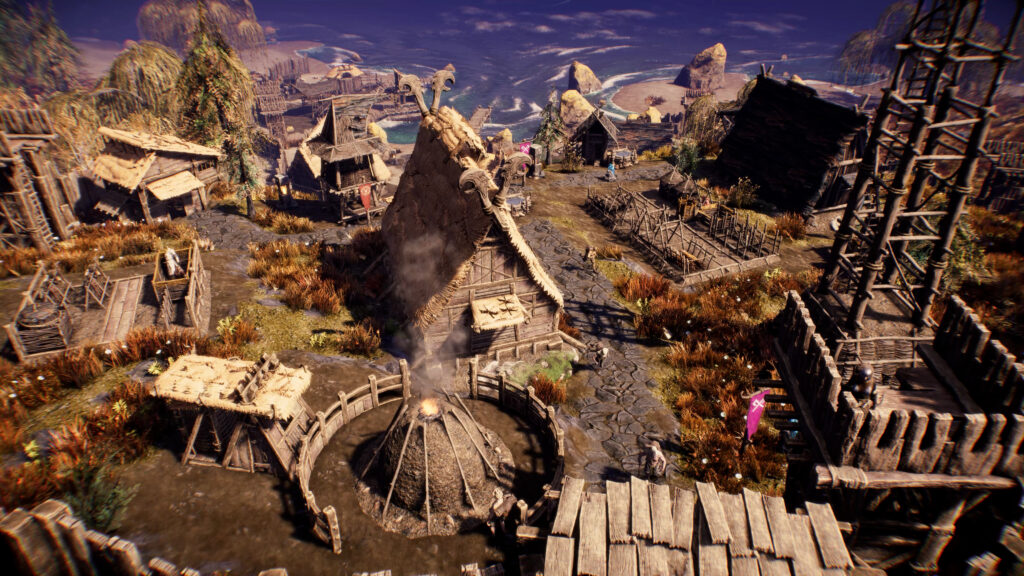
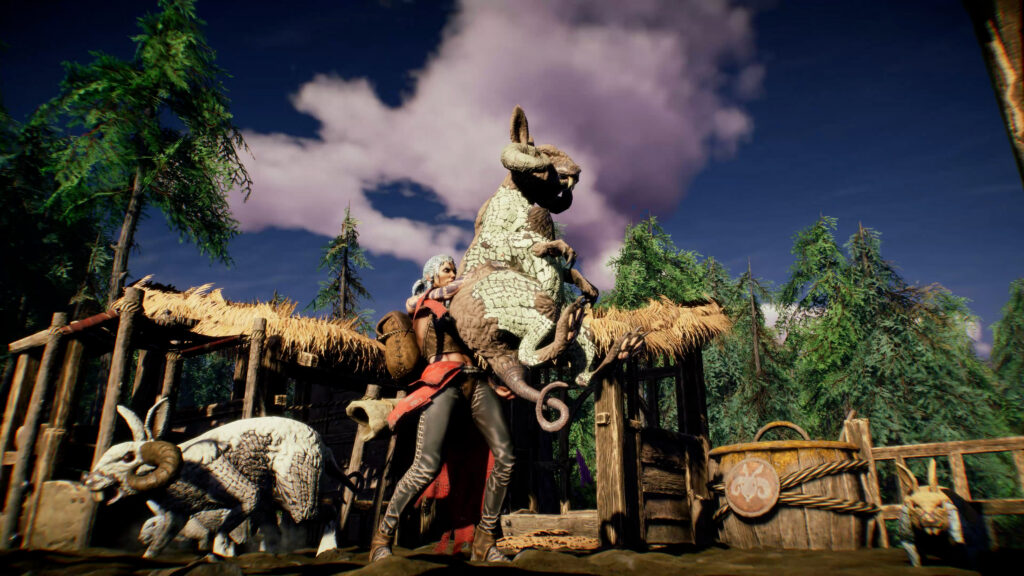


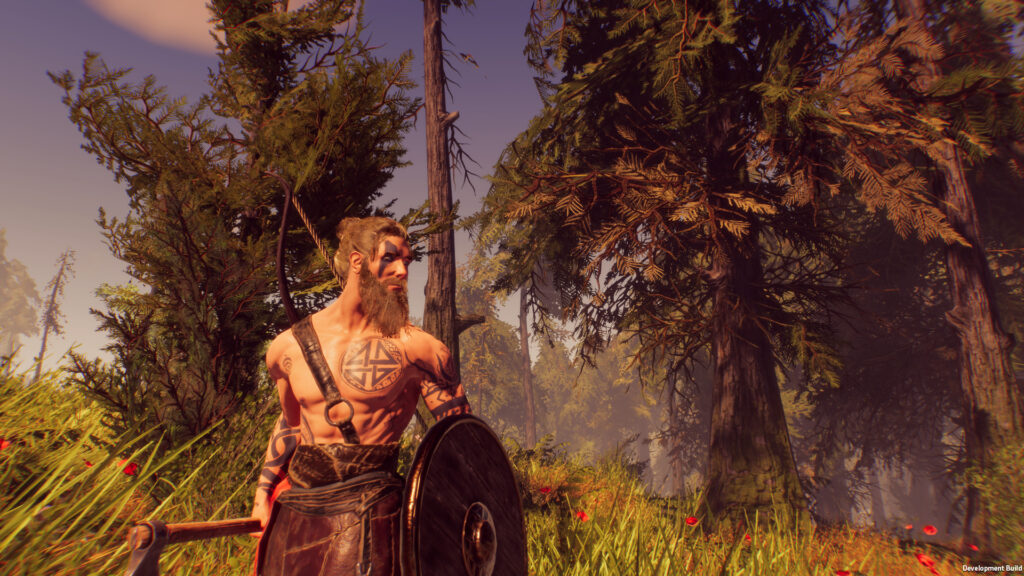
You stop being one person trying to survive.
You start running the place.
And that transition is probably ASKA’s biggest strength.
It Takes a Village
The villagers in ASKA are much more than NPCs wandering around to make your settlement look busy.
They are what makes the entire thing work.
Workers need tools. Buildings need resources. Food needs to be produced. Materials need to be moved around. People need somewhere to sleep.
If one part of that system breaks, you usually notice pretty quickly.
Your woodcutter might stop working because their axe has broken. The person making the replacement might be missing materials. Those materials might not have arrived because another worker is waiting for something else.
Before you know it, half the village has stopped functioning because one Viking has lost access to a hammer.
It sounds annoying, and occasionally it is, but it’s also what makes the game interesting.
The Great Hall & Feasts Update has made some useful changes here too. The whitelisting system has been reworked so individual villagers, buildings and jobs can be controlled more precisely, while a new production-chain page makes it easier to understand how different resources fit together.
That matters more than it might sound.
As your settlement gets bigger, ASKA becomes less about whether you understand one particular crafting recipe and more about whether you understand the whole machine.
Once everything finally starts working properly, there’s something genuinely satisfying about walking through your settlement and seeing everyone getting on with their jobs.
Resources are being gathered. Food is being prepared. Buildings are being supplied.
Things start happening without you constantly having to intervene.
That is the point where ASKA really clicks.
Surviving More Than Hunger
ASKA also does a good job of making sure you can’t simply build a settlement and forget about everything outside it.
The seasons matter.
You can’t just worry about whether you have enough food right now. You need to think ahead.
Winter is coming, resources become harder to find and the village still needs feeding.
That means preparation becomes a huge part of the game.
Growing too quickly can actually cause more problems than it solves. More villagers means more workers, but it also means more mouths to feed, more housing, more tools and more resources going into keeping everything running.
The game constantly pushes you into thinking a few steps ahead.
Do you expand now?
Do you stockpile food?
Do you build another production chain?
Or do you wait until the village you already have is actually stable?
Those decisions are far more interesting than simply watching another hunger bar slowly empty.
The Great Hall & Feasts Update
The version of ASKA reviewed here followed one of the more substantial additions to the game so far, and the Great Hall itself makes sense as the centrepiece.
It is an endgame structure and, importantly, it isn’t just a massive building you construct so you can stand back and admire it.
Once built, the Great Hall allows you to organise Feasts for your settlement. These require significant quantities of higher-tier food, but successfully holding one provides long-lasting bonuses across the village, including improvements to productivity, morale and combat effectiveness.
It gives the later game something ASKA really benefits from: a reason for all those production chains to exist beyond simply producing more resources so you can produce even more resources.
There is an actual payoff.
The food side of the game has also expanded alongside it.
Wheat can now be found and grown at an Improved Farm. It can then be taken to the new Windmill, turned into flour and eventually baked into bread at the Cooking House. The Windmill also introduces Milling as another villager profession.
On paper, wheat and bread might not sound like the most exciting additions ever made to a Viking survival game.
In practice, they are exactly the sort of systems ASKA needs.
One new resource creates another job, another building and another production chain that has to slot into everything you already have.
And somehow you end up caring deeply about whether your Vikings have enough flour.
That is ASKA in a nutshell.
Building Something Worth Defending
Building is obviously a huge part of ASKA, and over time your little camp can become something much more impressive.
The more systems you unlock, the more your settlement begins to feel like somewhere people actually live rather than a collection of crafting stations.
The Great Hall & Feasts Update also reworked wall building, making it easier to create defensive boundaries around settlements, particularly across uneven terrain.
It sounds like a relatively small quality-of-life change, but when you are trying to secure a settlement that has grown considerably beyond your original camp, making defensive walls less painful to place is very welcome.
And that’s really where the game gets its hooks into you.
You’ll build something because you need one particular resource, which then creates another problem, which leads to another building, another worker and eventually another whole section of the village.
A couple of hours later you realise the tiny camp you started with has turned into a proper settlement.
There’s a real sense of ownership in that.
Your village reflects the choices you’ve made throughout the playthrough, and just walking through it and watching everything operate can be one of the most rewarding parts of the game.
Making ASKA Your Own
Another major change introduced with the update is a much more flexible Custom Game mode.
Season lengths can be altered, enemy invasion frequency can be adjusted and players can shape the experience towards either a harsher survival challenge or something much more focused on building and managing a settlement.
That flexibility suits ASKA surprisingly well.
There are going to be players who want the constant pressure of keeping a settlement alive while enemies are trying to tear it apart.
There are also going to be players who just want to spend an evening building the Viking equivalent of Milton Keynes and making sure everybody has enough bread.
ASKA gives both groups plenty of room to play the way they want.
Where ASKA Still Needs Work
ASKA’s biggest strength can also become one of its biggest frustrations.
The larger the village becomes, the harder it can be to work out why something has suddenly stopped working.
There’s a lot going on.
Villagers, jobs, tools, production chains, storage and resources are all connected, and when one part of the system fails, the game doesn’t always make it immediately obvious where the problem is.
Sometimes you feel less like a Viking leader and more like someone trying to work out why the warehouse hasn’t received its delivery.
The additional management tools introduced with the Great Hall & Feasts Update certainly help, but there are still areas where managing a large settlement could be clearer.
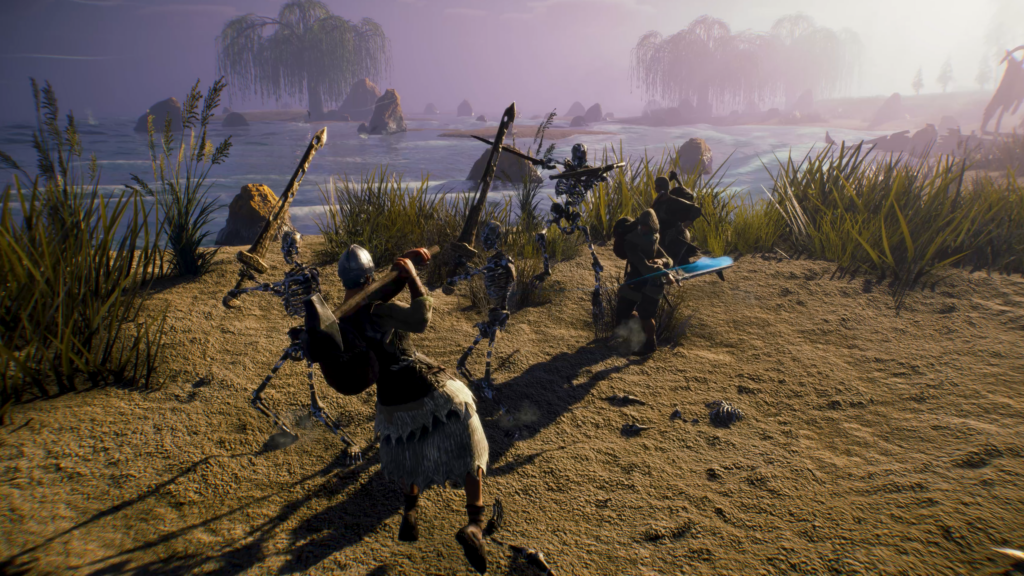
Combat is another part of the game that feels a little behind everything else.
It works, and enemies give exploration a genuine sense of danger, but fighting isn’t nearly as interesting as building and managing the settlement.
That isn’t necessarily a huge problem because ASKA clearly isn’t trying to be a hardcore action game.
But improving combat would make the exploration and defence side of the game feel much stronger.
A World That Feels Appropriately Hostile
ASKA’s world suits the game well.
It isn’t trying to give you a beautiful Viking holiday destination.
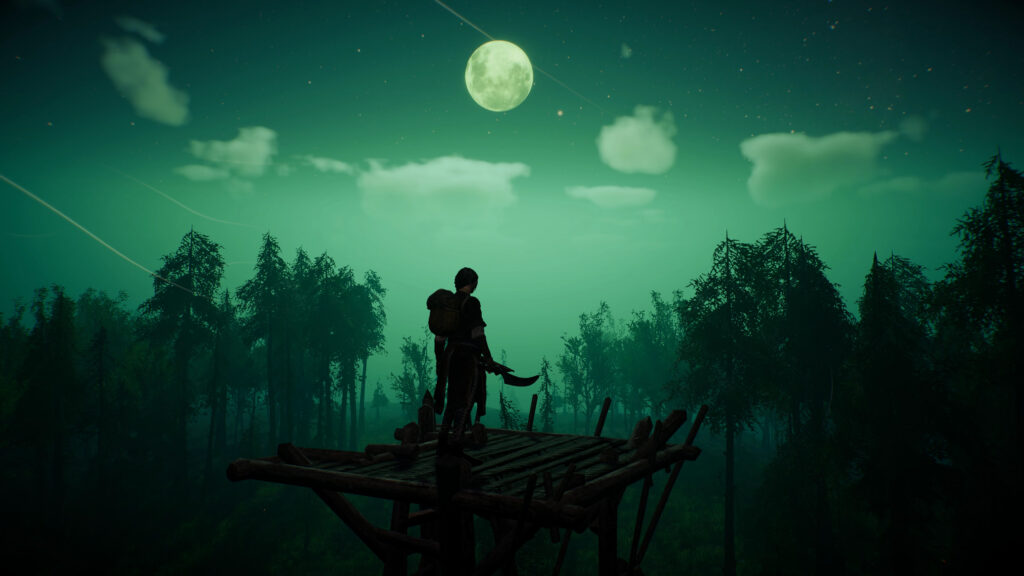
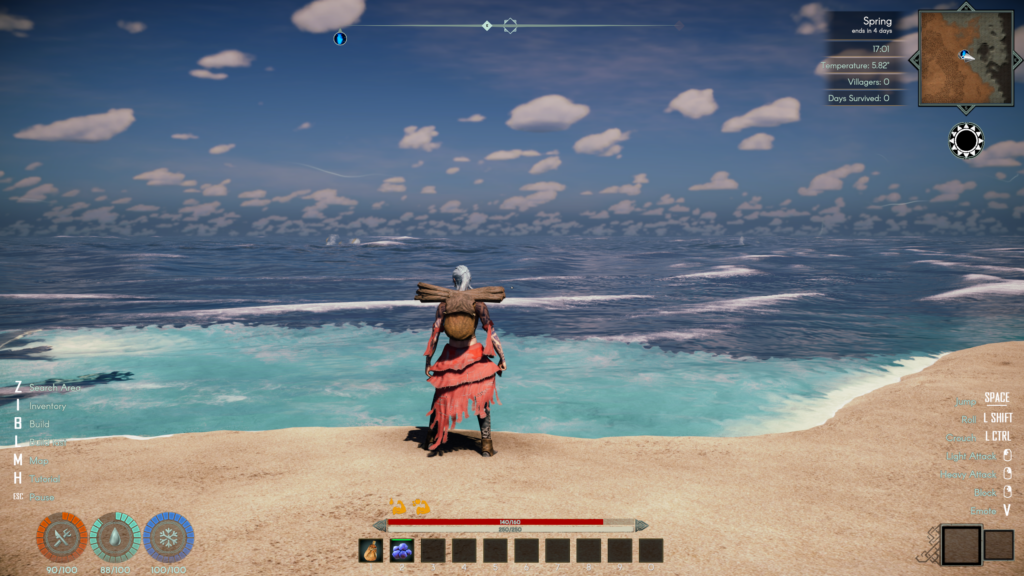
Forests can feel dark and oppressive, weather changes the atmosphere and the different seasons help make the world feel like something you actually have to survive rather than somewhere you simply build.
The art style also helps ASKA stand out.
It doesn’t look like every other survival game chasing realism, and that gives it a bit more personality.
But strangely enough, the most impressive thing visually is often the village you’ve built yourself.
Going back to where you started and seeing how much has changed gives you a sense of progress that a normal XP bar never really could.
An empty piece of land slowly turns into somewhere busy, populated and alive.
And eventually, sitting in the middle of all of that, you can have a Great Hall full of Vikings eating the food your own settlement produced.
That becomes the story of your playthrough.
Test Setup
ASKA was reviewed on an Early Access build via Steam following the Great Hall & Feasts Update, using the following system:
- CPU: Intel Core i7-14700K
- GPU: NVIDIA GeForce RTX 4070 Ti SUPER
- RAM: 32GB DDR4
- Resolution: 2560 × 1440
- Graphics Settings: Ultra
As ASKA remains in Early Access, its content and technical state may continue to change as development progresses.
Strengths
- Excellent mix of survival and settlement management
- Villagers completely change the usual survival-game progression
- Building a self-sufficient settlement feels genuinely rewarding
- Strong interconnected production systems
- Great Hall and Feasts give the later game a meaningful target
- Expanded food production fits naturally into the existing systems
- Improved settlement-management options
- Custom Game settings add considerable flexibility
- Seasons give preparation real importance
- Manages to feel different in a crowded genre
Weaknesses
- Larger settlements can still become difficult to manage
- Production problems are not always easy to diagnose
- Combat feels weaker than the settlement systems
- Early progression can involve a lot of manual gathering
- Some management systems could still be clearer
- Still very clearly an Early Access game
Verdict
There are plenty of survival games that ask you to chop trees, gather materials, build a base and slowly unlock better equipment.
ASKA does all of that too.
The difference is that eventually it stops being entirely about you.
The people you bring into the village start taking over the jobs you once had to do yourself, and suddenly the challenge becomes keeping an entire community alive rather than simply keeping one character fed.
That is what makes ASKA interesting.
The Great Hall & Feasts Update pushes that idea further. Wheat isn’t simply another resource to collect. It needs farming, processing and people to make the system work. The Great Hall isn’t just another building. It gives those systems something to work towards.
Everything feeds into something else.
Watching a village slowly become self-sufficient is incredibly satisfying, especially when you remember that every building, worker and production chain exists because of decisions you made earlier in the game.
It isn’t perfect.
Managing larger settlements can still become awkward, combat has room to improve and there are moments where the Early Access nature of the game is obvious.
But the core idea absolutely works.
ASKA takes a very familiar survival-game foundation and builds something far more interesting on top of it.
If you enjoy survival games but want something that eventually grows beyond gathering resources and upgrading your own equipment, there is a lot to like here.
The best part of ASKA isn’t surviving the wilderness.
It’s reaching the point where the village can survive without you constantly holding its hand.
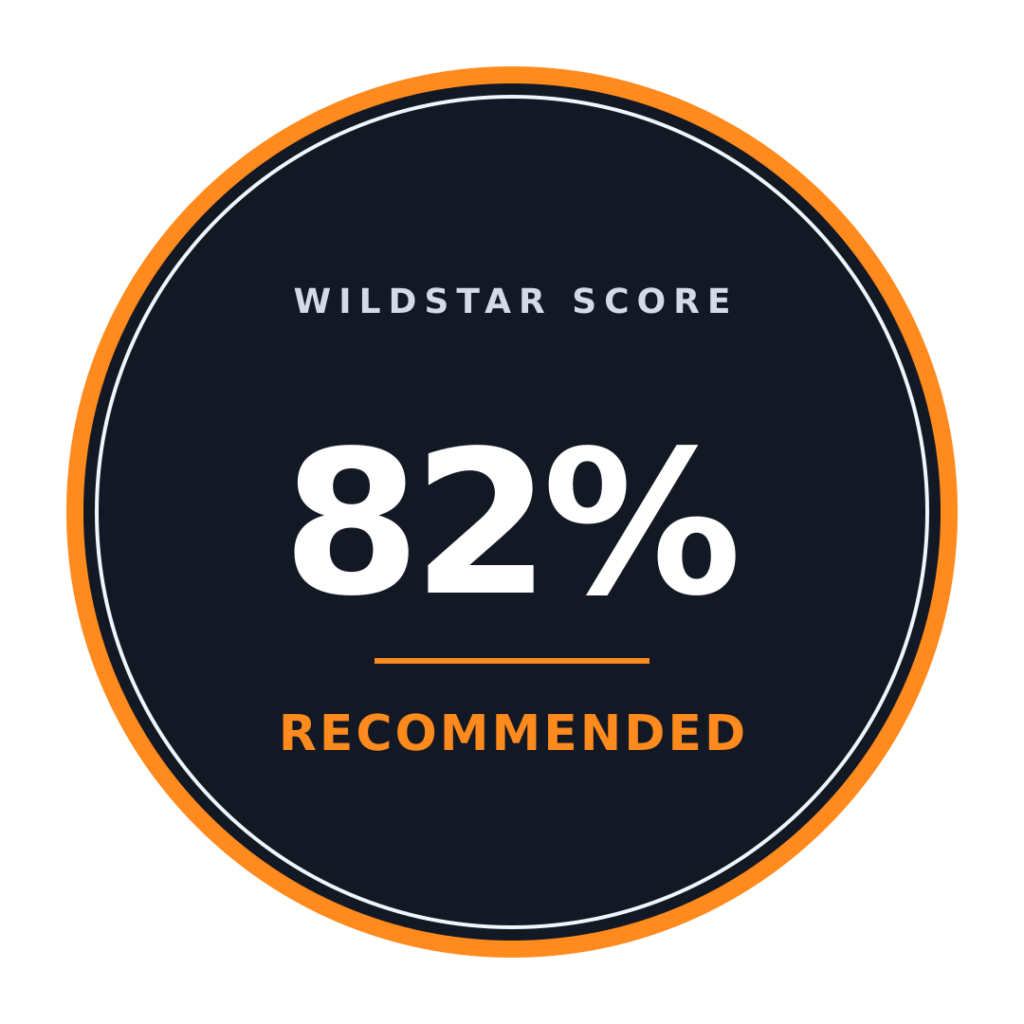
Final Review Score:
Review code provided by Plan of Attack. Reviewed via Steam on an Early Access build following the Great Hall & Feasts Update. The review reflects the version available during our review period and may be revisited following significant future updates or full release.