- Reviewed By: Frank
- Reviewed On: PC
- Accessed Via: Steam – Review Code
- Mode Played: Solo
- Developer: Red Dunes Games / Agate
- Platforms: PC, PS5
- Release: Available Now
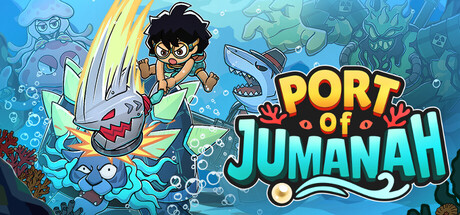
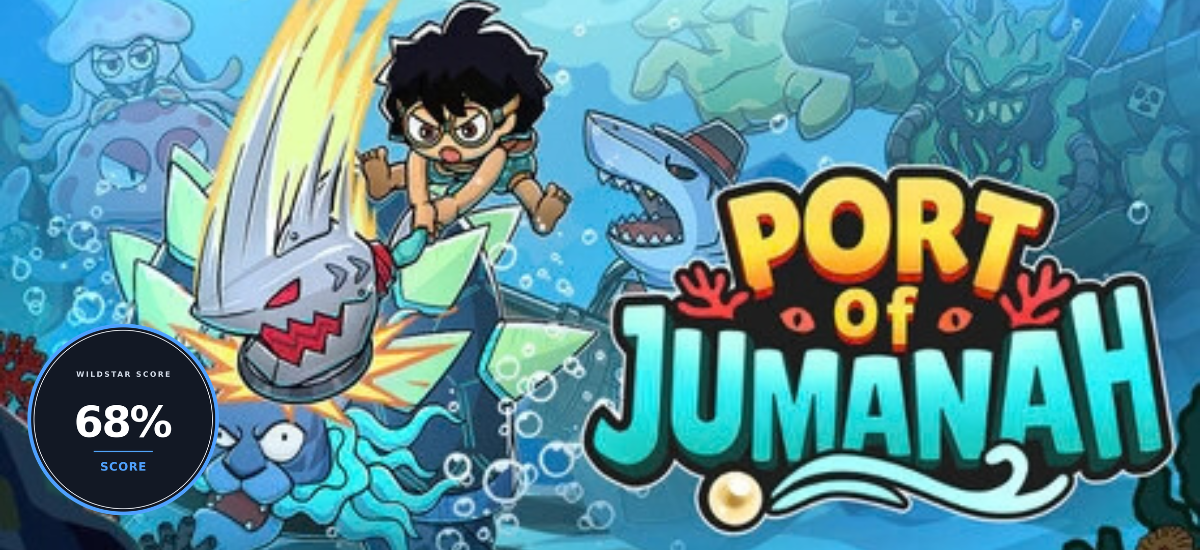
Port of Jumanah immediately caught my attention with its colourful underwater world and unusual take on the roguelite genre.
Developed by Red Dunes Games and Agate, the game takes inspiration from the pearl-diving traditions of the Arabian Peninsula and follows Mansour, a pearl diver whose discovery of a mysterious Black Giant Clam sends him on an underwater adventure.
It’s an interesting idea, and during my time with Port of Jumanah I found a lot to like. The gameplay is accessible, the mechanics are very easy to understand, and with its colourful presentation it initially makes a strong impression.
Unfortunately, the longer I spent beneath the waves, the more some of its weaknesses started to show.
Easy to Pick Up and Play
One of Port of Jumanah’s biggest strengths is its accessibility.
The gameplay mechanics are straightforward and don’t take long to understand or master, as this works particularly well for a roguelite.
You can get into the action quickly, concentrate on exploring and fighting your way through the underwater environments, and get accustomed to how everything works.
For someone who doesn’t necessarily want an overly complicated roguelite, there’s a lot to appreciate about that simplicity.
At the same time, experienced players may find themselves mastering those systems fairly quickly.
An Underwater World Full of Colour
Visually, Port of Jumanah makes a very good first impression.
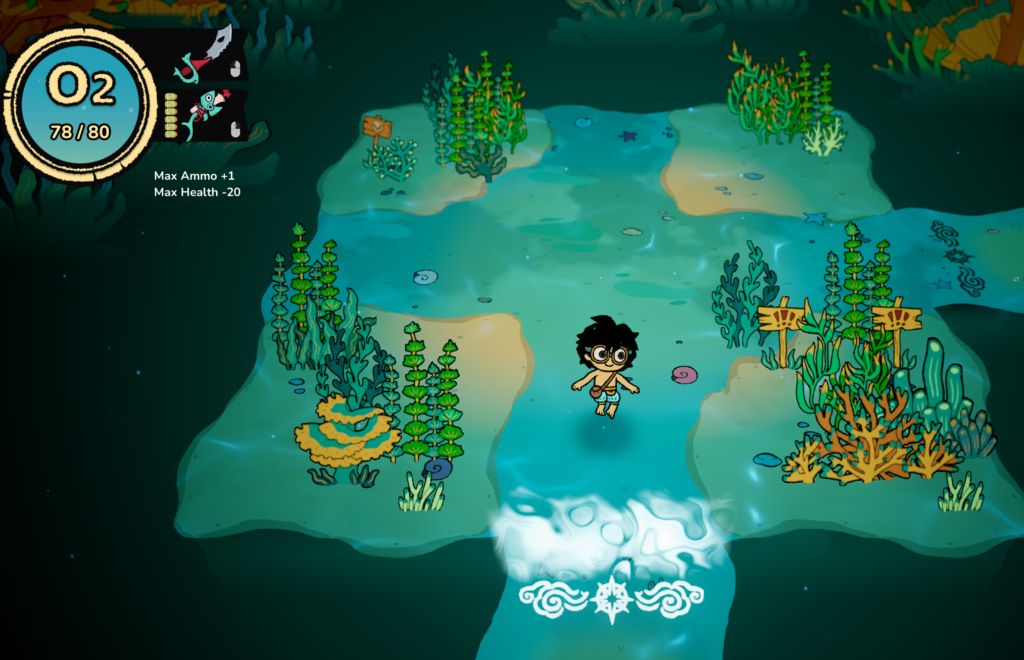
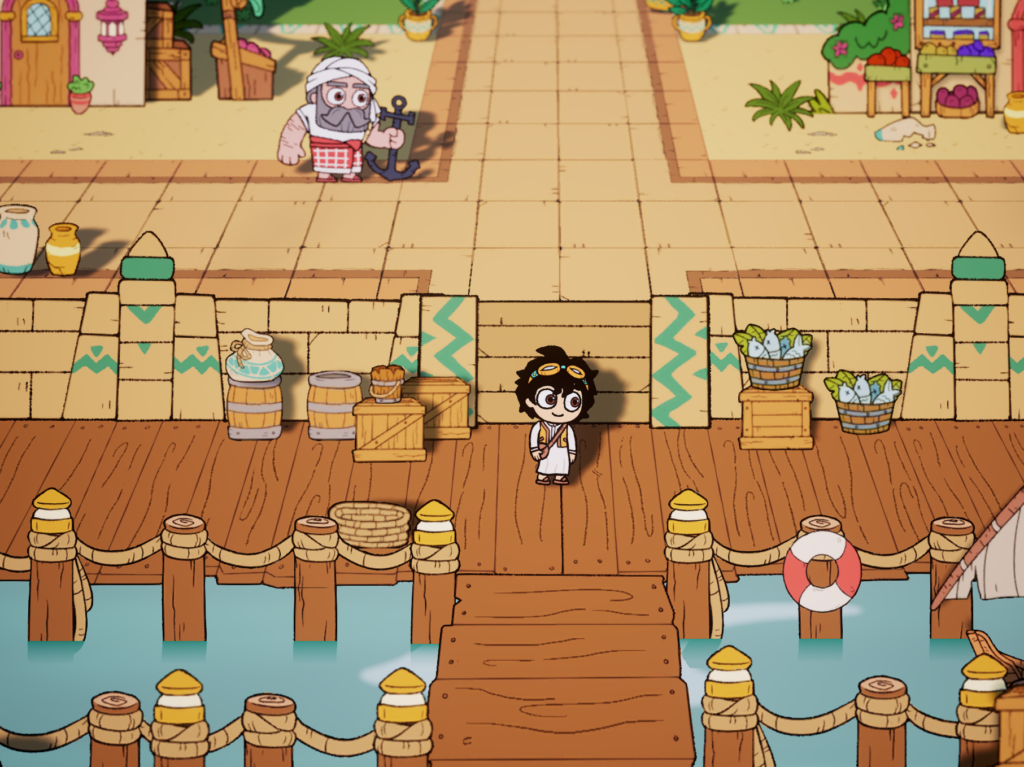
The underwater environments are bright, colourful and full of personality. Combined with the game’s distinctive art direction, it helps separate Port of Jumanah from the darker environments we often associate with roguelites.
Initially, I really enjoyed exploring these areas.
Unfortunately, that feeling didn’t completely last.
As I progressed, some of the environments started to feel repetitive. What initially felt colourful and interesting gradually became more familiar, and I found myself wanting a little more variety from the areas I was exploring.
There’s nothing particularly wrong with the presentation, I just don’t think there’s enough visual variety to maintain that initial sense of discovery throughout the experience.
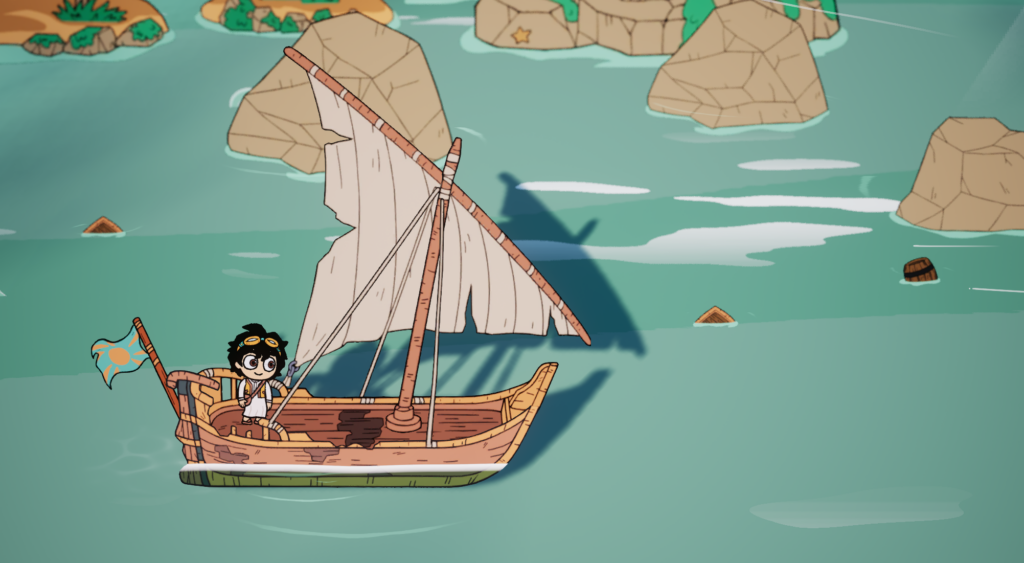
Characters Full of Personality. But the Conversations Let Them Down
The characters were one of the more interesting parts of Port of Jumanah, but they’re also responsible for one of my biggest frustrations with the game.
There’s a colourful cast of characters to meet, and I liked the idea of returning to port, interacting with them and discovering more about the world.
Unfortunately, I struggled with the way those conversations are presented.
Rather than using traditional voice acting, characters communicate through short, fragmented vocal sounds.
The best way I can describe it is like trying to have a conversation with someone on a mobile phone when they keep losing signal. You hear little pieces of their voice cutting in and out as the dialogue progresses.
I understand the idea behind it. Plenty of games use stylised sounds rather than complete voice acting to give their characters a recognisable personality.
But here, I found it increasingly irritating.
It reached the point where I sometimes found myself rushing through conversations because I simply didn’t want to listen to the sounds anymore.
The Facial Expressions Made It Worse
Unfortunately, the voices weren’t my only problem with the conversations.
The characters’ facial expressions frequently seemed disconnected from what was actually happening.
Even during conversations that appeared as though they should be friendly or light-hearted, I sometimes got the impression from their faces that the characters weren’t enjoying the interaction at all.
It created a strange disconnect.
If I’m supposed to believe that these characters have relationships and personalities, I want their expressions and reactions to help sell those conversations.
Instead, I regularly felt the opposite.
Combined with the fragmented vocal sounds, it became a significant turn-off for me and made it difficult to become invested in conversations that should have been adding personality to the adventure.
That’s a shame because underneath those presentation choices are characters that could have been one of the game’s strongest features.
A Good Idea That Doesn’t Quite Maintain Its Momentum
There’s a lot about Port of Jumanah that works.
I particularly like the concept. Taking roguelite combat underwater and combining it with a colourful world inspired by Arabian Peninsula pearl-diving traditions gives the game an identity of its own.
The accessible mechanics also mean it’s very easy to get started.
My problem is that once that initial novelty started wearing off, I didn’t find enough underneath it to maintain the same level of excitement.
The environments became repetitive, I’d already become comfortable with the gameplay systems, and the character interactions that should have helped carry the experience instead became something I increasingly wanted to skip.
None of those things make Port of Jumanah a bad game.
They simply stopped a good idea from becoming something I found truly memorable.
What We Liked
- Colourful and distinctive underwater presentation
- Interesting setting and concept
- Gameplay mechanics are very easy to understand
- Accessible approach to roguelite combat
- Characters have plenty of potential and personality
- Easy to pick up and start playing
What Could Be Better
- Environments begin to feel repetitive
- Mechanics can be mastered fairly quickly
- Character vocal sounds became irritating
- Facial expressions don’t always fit the tone of conversations
- Dialogue became something I occasionally wanted to rush through
- More variety would help maintain the strong first impression
Final Verdict
Port of Jumanah has a genuinely interesting idea at its heart.
Its colourful underwater setting immediately caught my attention, and its straightforward gameplay mechanics make this an accessible roguelite that’s very easy to pick up and understand.
Unfortunately, it didn’t completely hold my attention.
The environments started to become repetitive, while the character interactions became one of my biggest frustrations. The fragmented vocal sounds weren’t something I particularly enjoyed, and the characters’ facial expressions often seemed disconnected from the conversations taking place.
It’s frustrating because there’s plenty of personality here.
I can see what Port of Jumanah is trying to achieve, and there were elements of the experience I genuinely enjoyed. I just wish there had been greater environmental variety and that I’d connected more with its characters.
A colourful and accessible underwater adventure with a great concept, but one that didn’t quite keep me hooked beneath the surface.
Final Review Score: