
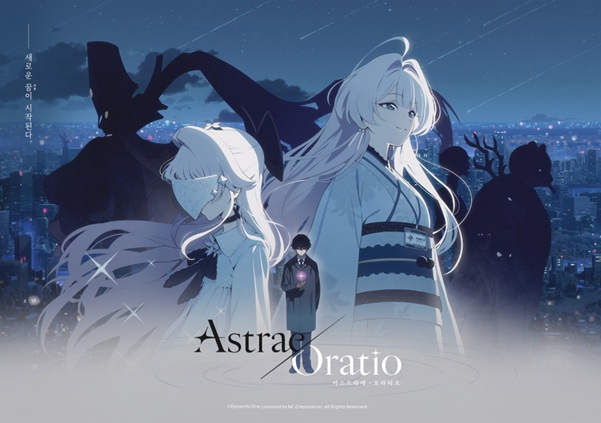
Ahead of Tokyo Game Show, WildStar Gaming was invited to a pre-TGS preview of Astrae Oratio, organised by Outrageous PR.
The session gave us an early look at the game, along with the chance to hear directly from Ren Ito, QA Lead for Astrae Oratio, Jason Mok, Associate Producer for Astrae Oratio, and Douglass Perry, Senior Director of PR for NC America.
Going into the preview, Astrae Oratio was one of those games I was aware of without really knowing much about. Coming out of it, I was paying considerably more attention.
There is a lot going on here, but the thing that immediately stood out was the setting.
Tokyo ’89
Astrae Oratio takes place in an alternate ’89 Tokyo, although at first glance you would be forgiven for thinking it was much later.
In this version of history, technology, culture and civilisation have developed far faster than they did in our own timeline. Tokyo Tower is close to completion, Odaiba is being developed and the city has the feel of somewhere almost a century ahead of where it should be.
It gives the game a slightly strange identity, but in a good way.
There are familiar elements everywhere, but they have been dropped into a version of history where they really should not exist yet.
That immediately gives Astrae Oratio something different to work with visually and narratively.




Magic Meets Bureaucracy
The other thing I liked about the premise is that you are not being dropped into the world as its most powerful character.
You play as Shunin, an ordinary local government employee who is transferred to the Special District Office, an organisation responsible for managing the magicians living throughout Tokyo.
That creates a fairly unusual setup.
You have supernatural incidents, magical disputes and people capable of doing things far beyond anything normal, but the person at the centre of it all is effectively trying to deal with the administrative fallout.
It could easily have been played purely for laughs, but from what we saw, the game seems to take the world itself seriously.
Magic has rules, the different groups throughout Tokyo have their own identities and interests, and disputes can lead to formalised confrontations known as Trials of Domination.
The whole thing feels like it has been built as a functioning world rather than simply a backdrop for combat.
Combat Looks More Involved Than Expected
Combat was one of the areas I was most interested in seeing properly.
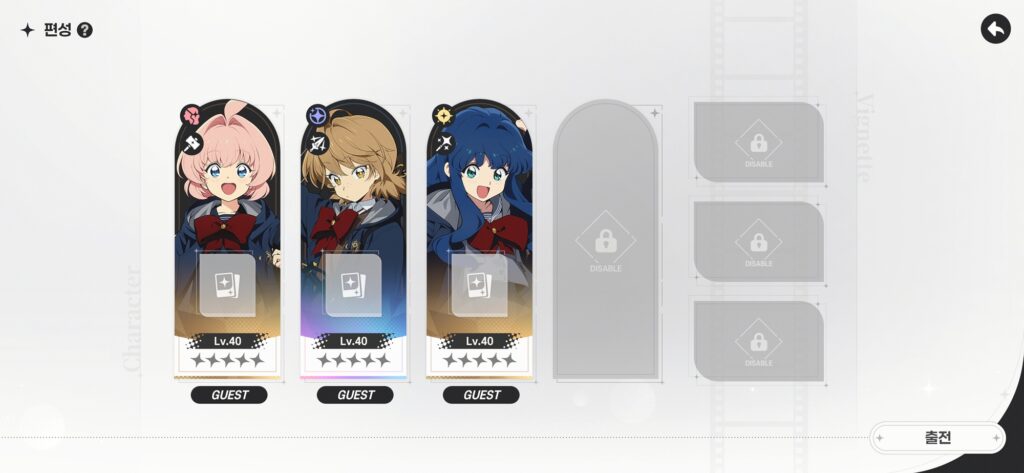
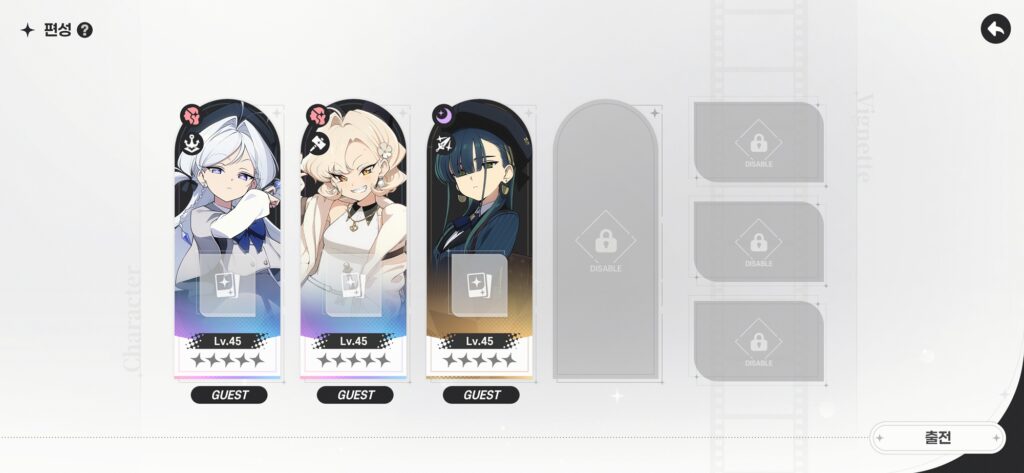
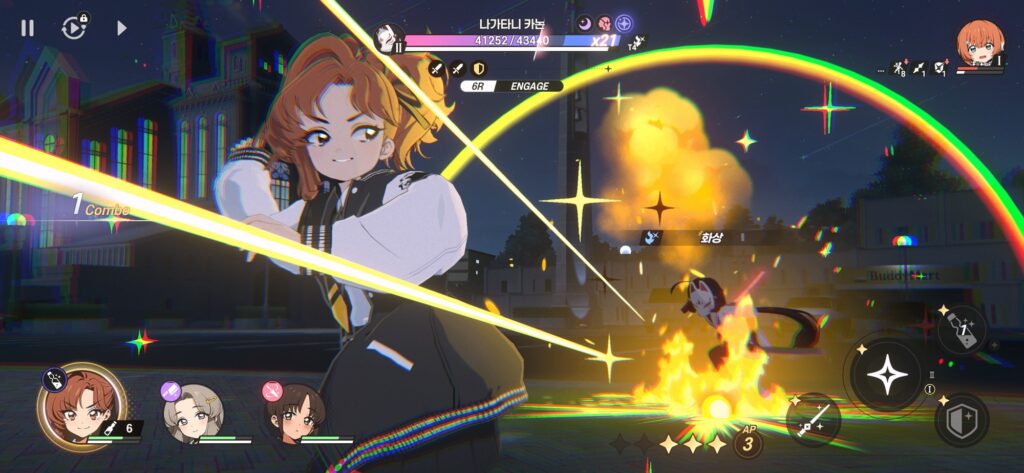
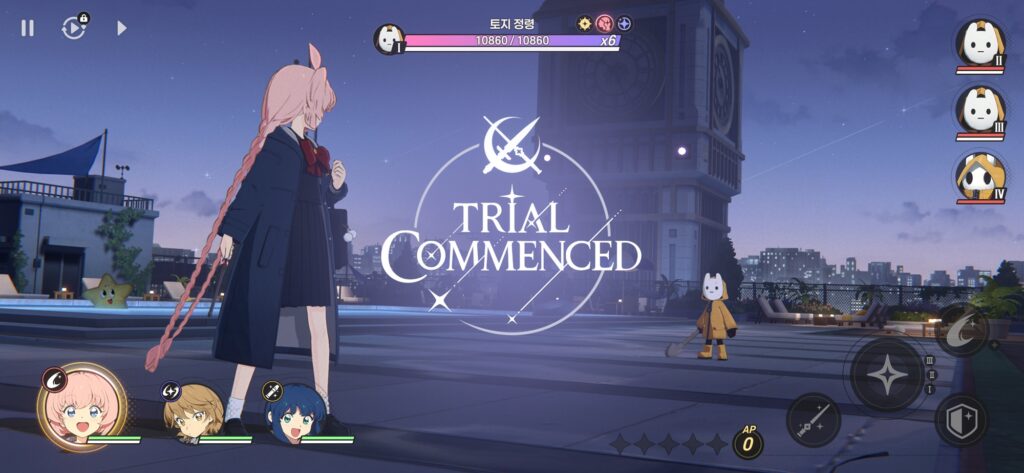
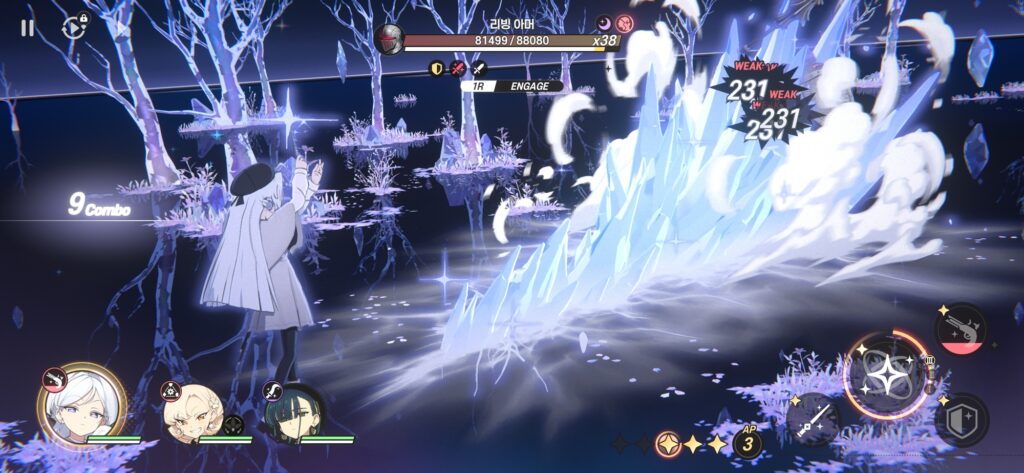
Astrae Oratio uses a party-based, turn-oriented system, with characters having access to standard attacks, abilities and larger cinematic moves.
Visually, it looks very good.
The animations are clean, the effects have plenty of impact and the whole thing feels polished, particularly considering all of the gameplay and test footage we were shown was running on a Google Pixel 9.
What interested me more, though, was how much emphasis the team placed on keeping the player involved.
During the Q&A, I asked:
“We’ve now seen more of the combat system, but what do you think is the mechanic that really separates Astrae Oratio from other character-focused RPGs? What do you hope players notice once they actually get their hands on it?”
The answer focused heavily on the tactical side of the combat and the desire to keep players actively involved rather than simply selecting attacks and watching the rest play out.
The parry system was specifically mentioned as part of that.
That was probably the most interesting part of the answer for me.
There are plenty of games in this space where the longer you play, the more the combat becomes something happening in front of you rather than something you are really participating in. Astrae Oratio appears to be trying to avoid that.
The team also repeatedly spoke about quality, both in terms of the combat itself and the wider game.
They clearly want the battle system to feel polished, but they were equally keen to talk about the storytelling and how important narrative is to the overall experience.
That was encouraging, because with a setting this unusual, it would be a shame if it ended up being little more than window dressing between fights.

There Are Still Plenty of Questions
I asked a few questions during the session, although most of them were things the team simply was not ready to answer yet.
That is not especially surprising at this stage, particularly with Tokyo Game Show still to come and the game still some way from release.
There are obvious things I still want to know more about.
Progression is one of them, as is how the wider character system will work and how much depth the combat has once you move beyond the early demonstrations.
But equally, I would rather they hold back on those answers than give vague marketing responses before the systems are ready to be properly shown.
What they were willing to talk about, though, gave a fairly clear indication of where the priorities are.
The word that kept coming up was quality.
Not just graphical quality, but the overall standard of the game, the combat and the storytelling.
The Google Pixel 9 Demo Was Impressive
One detail that is worth highlighting is that all of the test footage and demo gameplay shown during the preview was running on a Google Pixel 9.
That made what we were seeing more impressive.
It is always easy to look at carefully prepared gameplay footage and wonder what kind of hardware is actually sitting behind it, but knowing the demo was being shown on a commercially available Android phone gives the presentation a bit more context.
The animations looked smooth, the effects were detailed and there was nothing obvious during the demonstration that made it feel compromised by the hardware.
Of course, this was still a controlled preview, so it would be pointless pretending that tells us everything about final performance.
But as a first showing, it looked strong.

Can It Stand Out?
The big challenge for Astrae Oratio is probably going to be the same one facing every character-focused RPG arriving now.
There are already a lot of them.
Nice character designs and big animated attacks are not enough on their own anymore.
Where Astrae Oratio has my attention is in the parts surrounding that.
The alternate-history Tokyo setting is genuinely interesting, the government angle gives the story a different starting point, and the focus on more active combat could help it feel less passive than some of the games it will inevitably be compared with.
There is also a level of confidence in the presentation that came across during the preview.
It does not feel like a game trying to hide what it wants to be.
The question now is whether all of those ideas still hold together when players are actually spending hours with it rather than watching a presentation.
Coming in 2027
During the preview, we were told that Astrae Oratio is planned for release on Apple and Android devices in 2027, with a PC version to follow.
Personally, the PC version is the one I am most interested in.
The mobile version already looked impressive running on the Pixel 9, but this is the sort of game I would rather play on a bigger screen.
A lot of the appeal is in the artwork, animation and presentation, and I would like to see how that translates once the game eventually makes the move to PC.
For now, though, the mobile version is clearly the priority.
First Impressions
Astrae Oratio surprised me.
I went into the preview knowing relatively little about it and came away genuinely interested in seeing more.
The visuals are strong and the combat looks promising, but the thing that stuck with me was the setting.
An alternate ’89 Tokyo with technology nearly a century ahead of where it should be is already unusual enough. Building a story around magicians, government departments and supernatural administration gives it another layer that I was not expecting.
The focus on keeping players involved in combat, particularly through systems like parrying, is another reason I want to get hands-on with it rather than judge it purely from footage.
There are still a lot of unanswered questions, and at this stage there probably should be.
What I saw was enough to make me curious about how it all comes together.
For a first look, that is exactly what I wanted.
Astrae Oratio is planned for Apple and Android devices in 2027, with a PC version to follow.