
📰 Written By: Frank
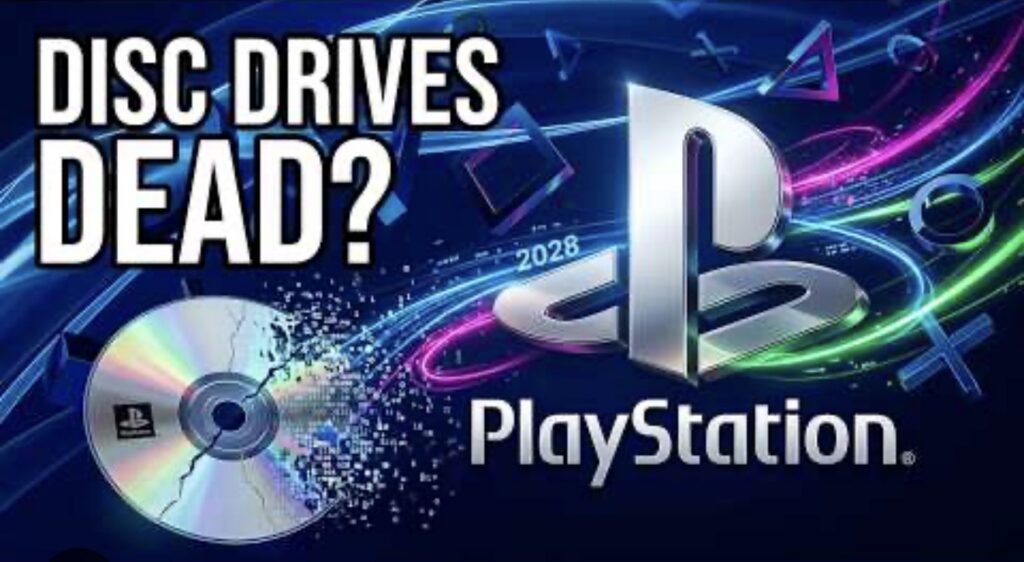
For decades, owning a physical game meant just that. You could build a collection, lend games to friends, trade them in, or revisit them years later. But the gaming industry has been steadily moving towards a digital future, and Sony’s recent announcement that all new PlayStation games will be digital-only from 2028 has reignited a debate that’s been building for years.
The shift isn’t entirely surprising. Digital downloads have become the preferred choice for many players thanks to faster access, pre-loading before launch and the convenience of having an entire game library available without changing discs. Subscription services such as Xbox Game Pass and PlayStation Plus have also changed the way millions of people discover and play games.
However, the move has raised important questions about ownership. Unlike a physical disc, digital purchases are tied to online accounts and licensing agreements. Many gamers are concerned about what happens if a game is removed from sale, online services are discontinued or access to an account is lost. Others simply enjoy collecting physical editions and believe that preserving gaming history is just as important as embracing new technology.
It’s also worth remembering that PlayStation isn’t alone. Xbox has been investing heavily in Game Pass and cloud gaming, while PC players have largely embraced digital platforms such as Steam for many years. The entire industry appears to be moving in the same direction, although the pace varies from platform to platform.
Whether physical games eventually disappear completely remains to be seen, but one thing is certain: the conversation has never been louder. For some, a digital-only future is the natural evolution of gaming. For others, it feels like the end of an era.
What do you think? Is this the beginning of the end for physical gaming, or will physical media always have a place on our shelves?
WildStarGaming Verdict:
The future is undoubtedly becoming more digital, but there is still a passionate community that values physical ownership. As the industry evolves, finding the right balance between convenience and consumer choice may prove to be one of gaming’s biggest challenges.