
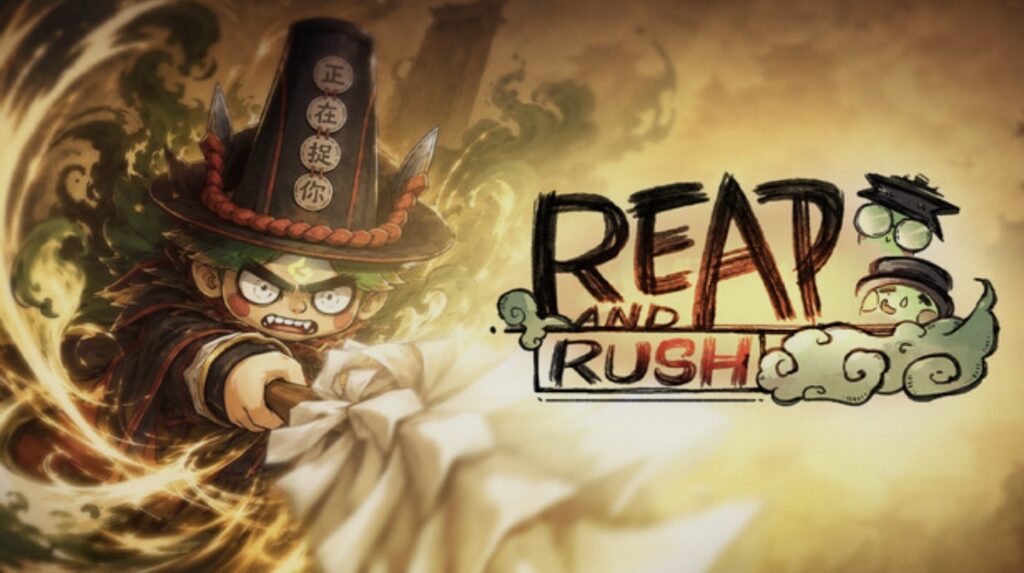
- 📝 Reviewed By: Andy
- 🎮 Reviewed On: PC
- 📥 Accessed Via: Steam
- 👥 Mode Played: Solo
- 🎮 Developer: Beijing Pacifier Tech
- 🖥️ Platforms: PC
- 📅 Release: Available Now
- ⭐ Score:⭐⭐☆☆☆ 60-69%
‘ll admit it, I’m usually the guy who sees the word “Roguelite” in a game’s description and immediately lets out a little sigh. It’s become one of those genres where every new release promises endless replay ability, unique builds and “no two runs are the same.” Sometimes that’s true. Other times it just means I’m going to die a lot while wondering if I’m actually having fun.
I almost wrote Reap and Rush off because of that.
Then I played it… and for the first 30 minutes I genuinely thought I’d made the right decision.
For the first half an hour I felt like I wasn’t even playing the game. I was a passenger. A spectator. An unpaid intern watching everyone else work while pretending I understood the meeting. The game introduces mechanics with all the confidence of someone saying, “You know how this works,” when I absolutely did not know how this worked.
I was collecting things because they were shiny. Casting spells because they looked cool. Picking upgrades based almost entirely on vibes. Every time I survived a wave I wasn’t thinking, “I’m getting better.” I was thinking, “Well… that wasn’t supposed to work.”
There were moments where I’d unlock something new and my reaction was just, “…Is that good?”
No explanation.
Just blind optimism.
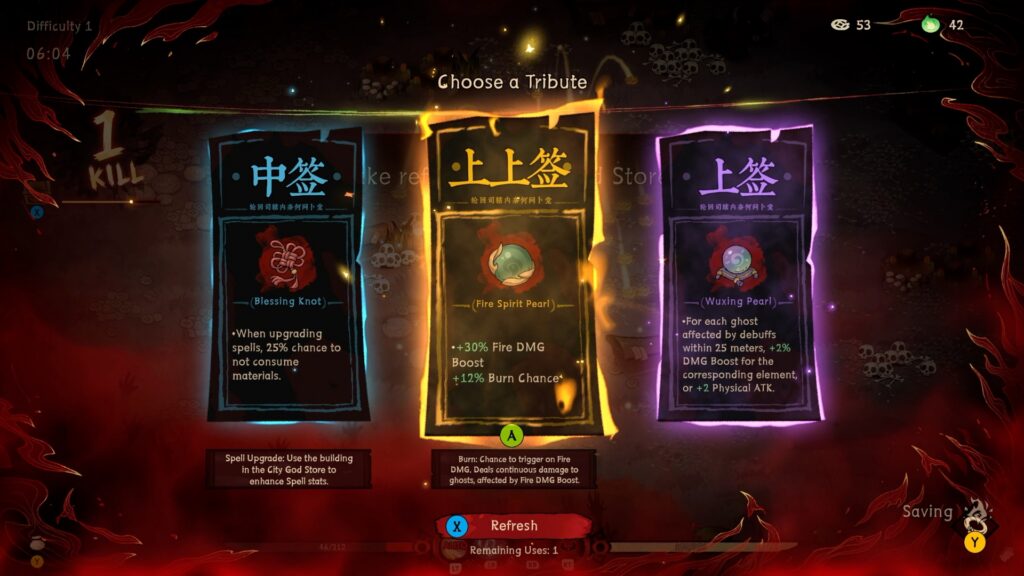
At one point I was convinced I’d accidentally discovered a genius strategy, only to realise I’d been making life considerably harder for myself because I’d misunderstood one of the core mechanics. That was a humbling experience.
But then something happened.
Somewhere after those first thirty minutes my brain finally connected all the dots. Suddenly the spell crafting started making sense. I began to understand why certain upgrades worked together, how to build around different spells, and why I’d been dying in increasingly creative ways before.
That’s when the game became slightly addictive.
Instead of randomly picking upgrades because the icon looked cool, I was somewhat planning builds. I’d finish a run and think, “Right… next time I’m going all in on that spell.” Then that run would inevitably fall apart because I’d get greedy….. but that’s beside the point.
The spell combinations are where the game sets itself apart from similar titles. Once you understand how everything interacts, there’s a lot of fun in experimenting and seeing what ridiculous combinations you can create. Some builds make you feel like an unstoppable magical war machine. Others make you feel like a wizard who bought their spellbook from Temu….
What I also appreciated is that the game doesn’t pretend to be some ridiculously deep RPG where you need three spreadsheets and a PhD in build crafting just to enjoy yourself. Yes, there are synergies to learn and builds to experiment with, but it’s still a casual rogue lite at heart. You can jump in, have a run, mess around with different spells, and have a good time without feeling like you’ve accidentally signed up for a second job. It has enough depth to keep things interesting, without disappearing so far down the rabbit hole that it becomes intimidating.
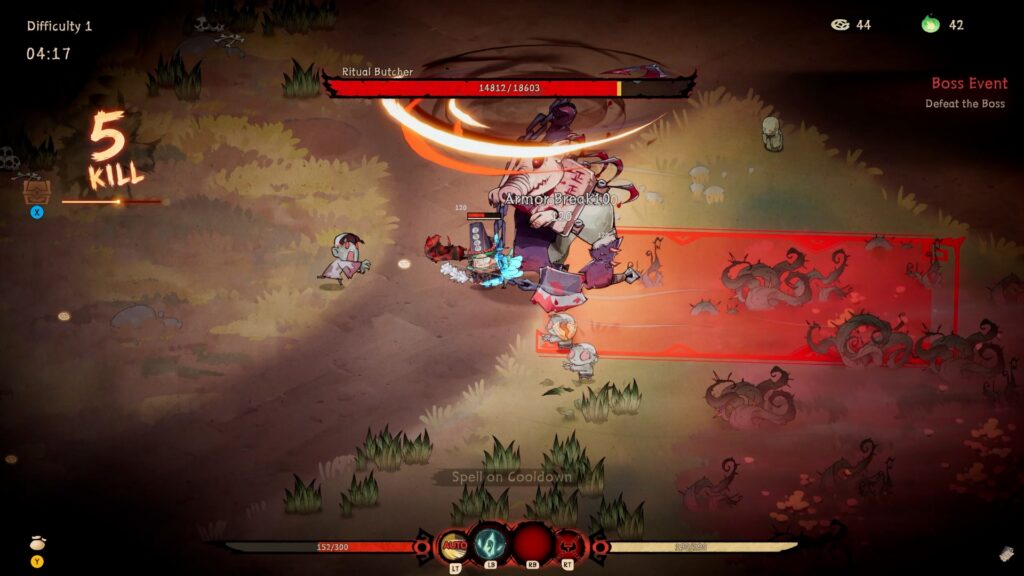
I also appreciate that runs don’t drag on forever. Even when I got absolutely flattened, I rarely felt like I’d wasted my time because I’d usually learned something for the next attempt. Usually.
There were still plenty of runs where I confidently announced, “This build is broken,” about thirty seconds before exploding.
My biggest criticism is still the onboarding. I genuinely think the game does itself a disservice by expecting players to just… figure it out. Some people will love that. Personally, I nearly bounced off it because I spent the opening wondering whether I was missing something obvious or whether confusion was just part of the intended experience.
A little more guidance early on wouldn’t hurt anyone. You can still let players discover broken builds and clever synergies without making the opening feel like you’re trying to assemble IKEA furniture with half the instructions missing.
Despite all that, I ended up enjoying it far more than I expected.
Did it turn me into a rogue lite superfan?
No.
Did it convince me that maybe not every game with randomised runs is trying to waste my evening?
Surprisingly… yes.
And now I’m looking forward to jumping back in as Black Wuchang, (yes. that really is your name) armed with the knowledge I definitely did not have for that first half hour.
WildStarGaming Score: ⭐⭐☆☆☆ 60-69%
It has a rough start, and I think a lot of players will spend the first half hour wondering if they’re missing an important tutorial. Stick with it though, because once everything clicks, the spell crafting is genuinely satisfying, the gameplay loop is easy to get hooked on, and there’s a really fun game underneath the initial confusion.
Just don’t be surprised if your first few runs are held together by blind luck, panic, and the immortal words:
“I have absolutely no idea what I’m doing… but somehow it’s working.”
📢Follow Us
Join the growing WildStarGaming community already following us for the latest gaming news, indie discoveries, reviews, hardware coverage and that hidden gem. Follow us on your favourite platform and never miss a story.